Lava Zine

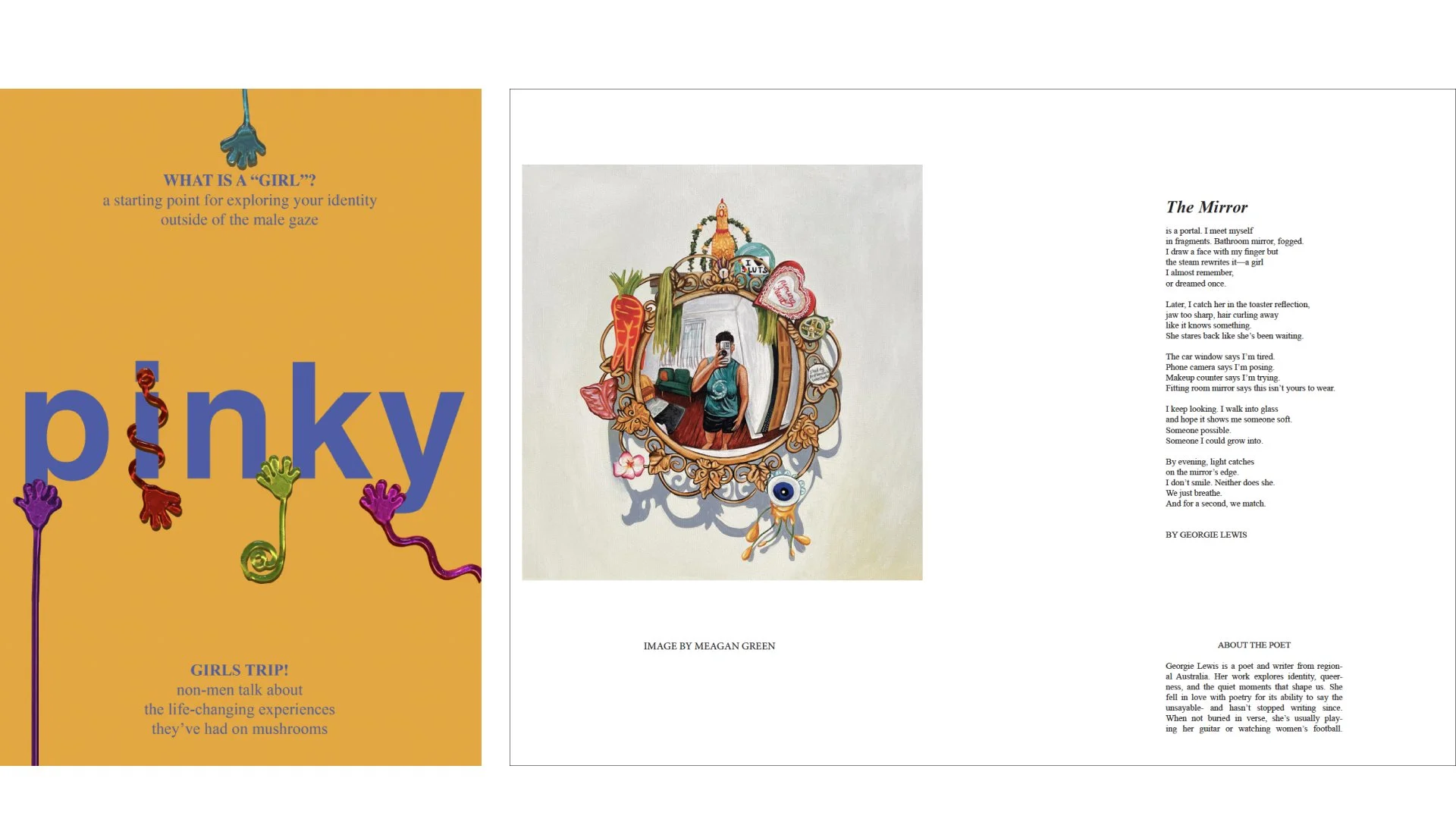
Lava’s debut issue uses the mirror as a lens to dissect beauty in contemporary culture. Although the mirror is a tool we use to decorate our faces and bodies, it also flattens us into two dimensions. Thanks to phones and computers, we look at ourselves more than ever, constantly self-optimizing. In the process, we trade our multi-dimensionality for a flat image. Discover a range of art, writing, and personal stories from over 45 contributors, all beautifully exploring beauty rituals, self-perception, and distortions in our hyper-visual culture


Why Lava? Why Now?

The beauty industry is a $450 billion empire that preys on women’s insecurities. Countless images of beauty and the female body are shared online, shaping how women perceive their own value and self-worth. Today, 45% of girls believe there’s “no excuse not to be beautiful,” with filters and procedures readily available. The body has become a project, one that two in five women would trade years of life to improve.

Lava is a feminist beauty zine that is both a reaction to and a result of toxic beauty culture. The pressures of beauty culture still shape how many women experience their bodies, self-worth, and autonomy. When beauty standards continue to fuel insecurity, exclusion, and control, it indicates that the work of feminism is far from done. This is precisely the work that Lava hopes to do, making it a highly relevant and timely project. Falling under the category of media activism, my zine examines how feminist media can challenge Western and Eurocentric beauty narratives. Through both format and content, the zine will center non-normative ideas of beauty and build a physical community for women in the post-internet era.


The Mirror Issue

The first issue, ‘The Mirror,’ asks: What happens when we look at ourselves, and what happens when we look away? These questions guide an exploration of how women see themselves, and how turning away from the mirror might open pathways toward empowerment. Ultimately, Lava is an investigation into whether it is possible to simultaneously critique the patriarchal systems that make beauty so toxic while also relishing in the creativity and communion that it offers.


 Design Research


1960s Alternative Press

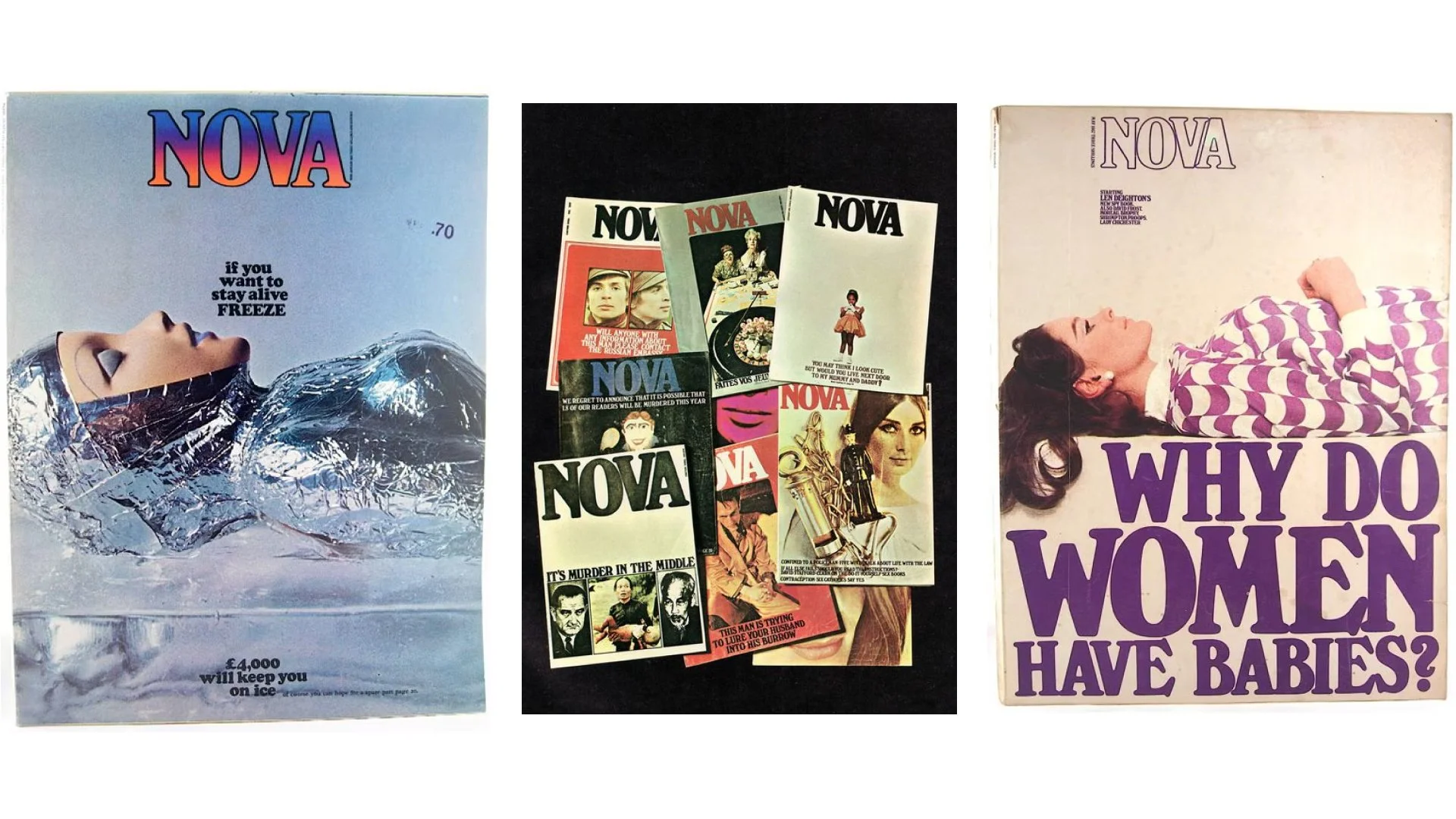
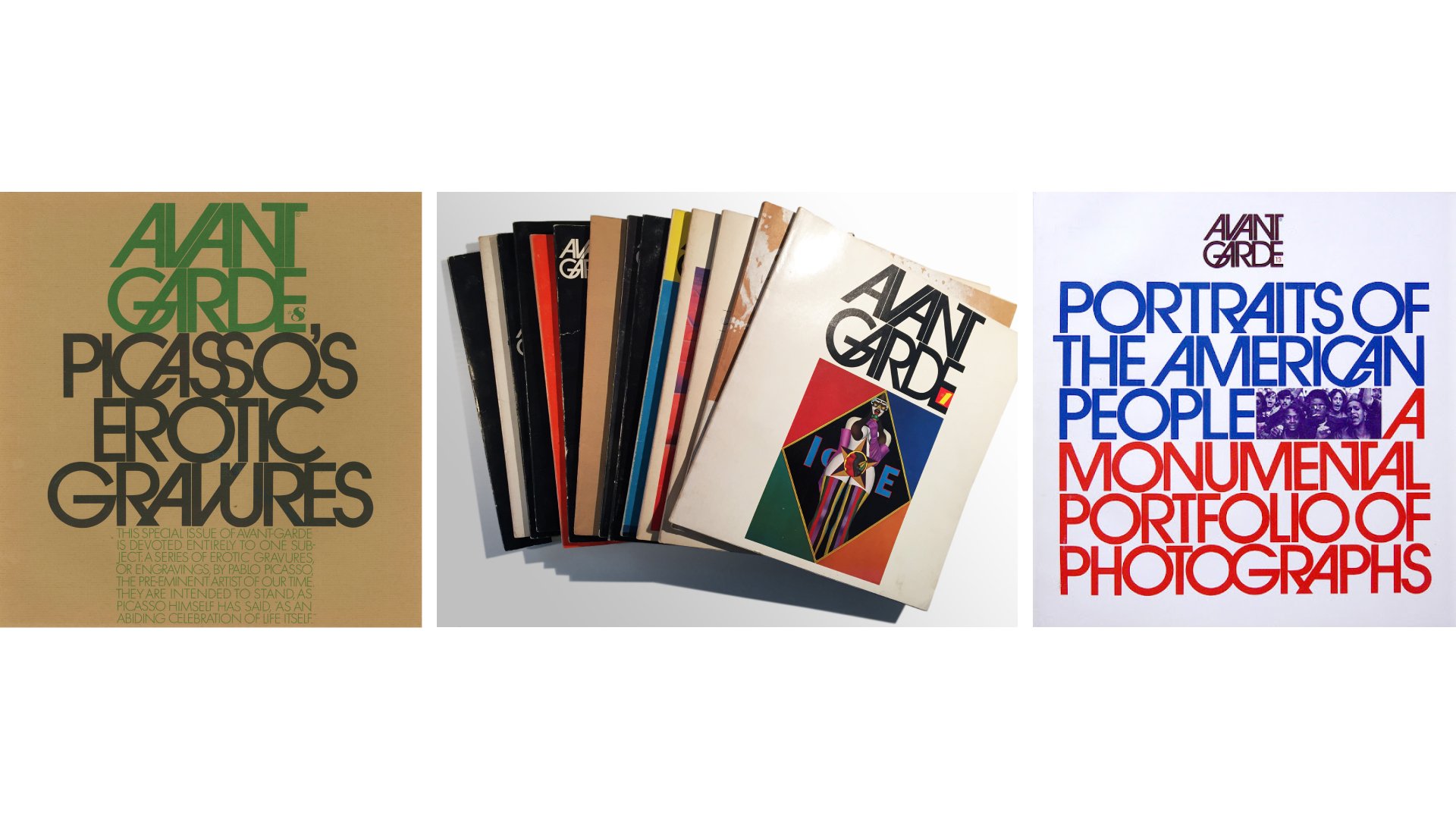
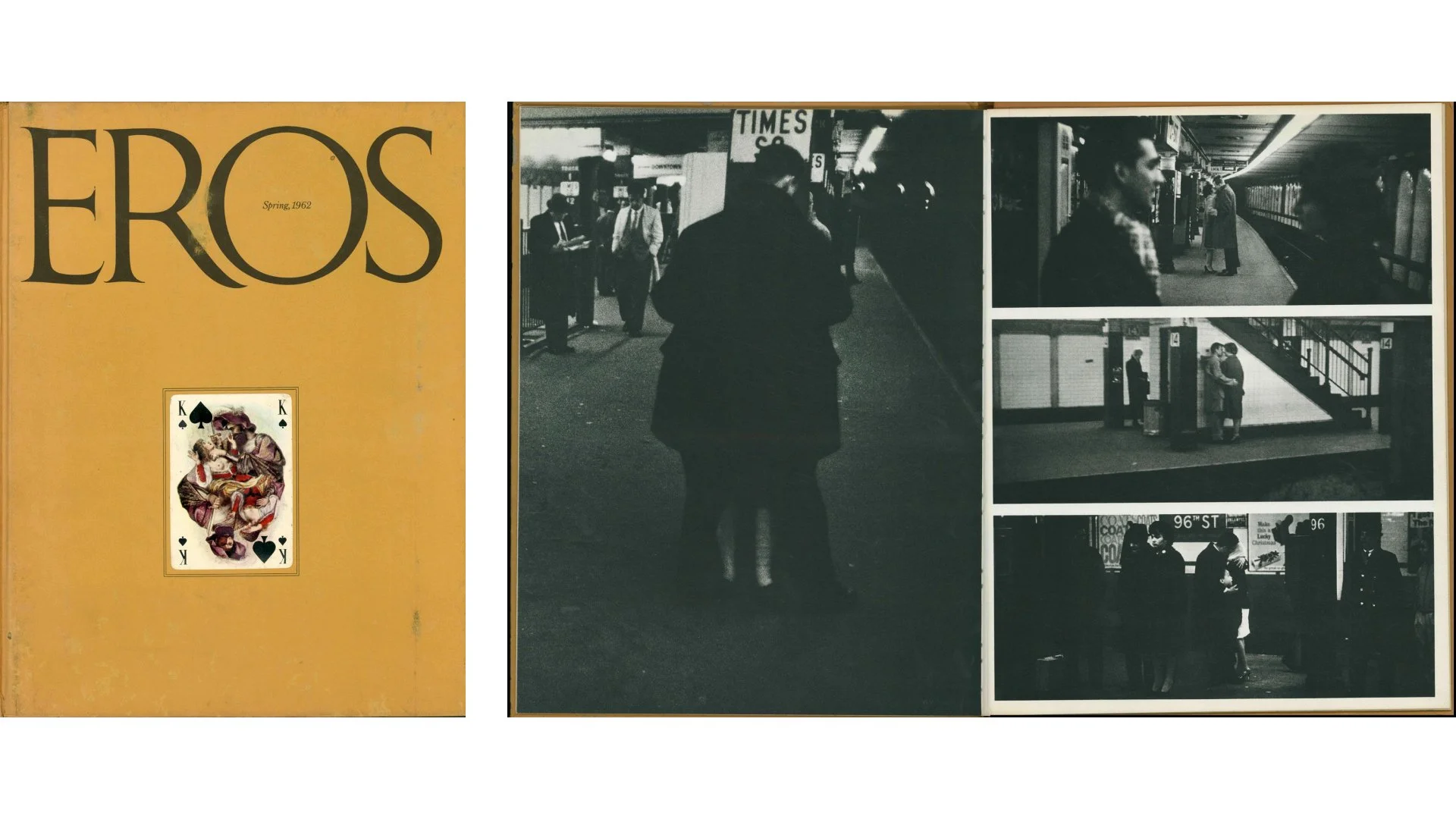
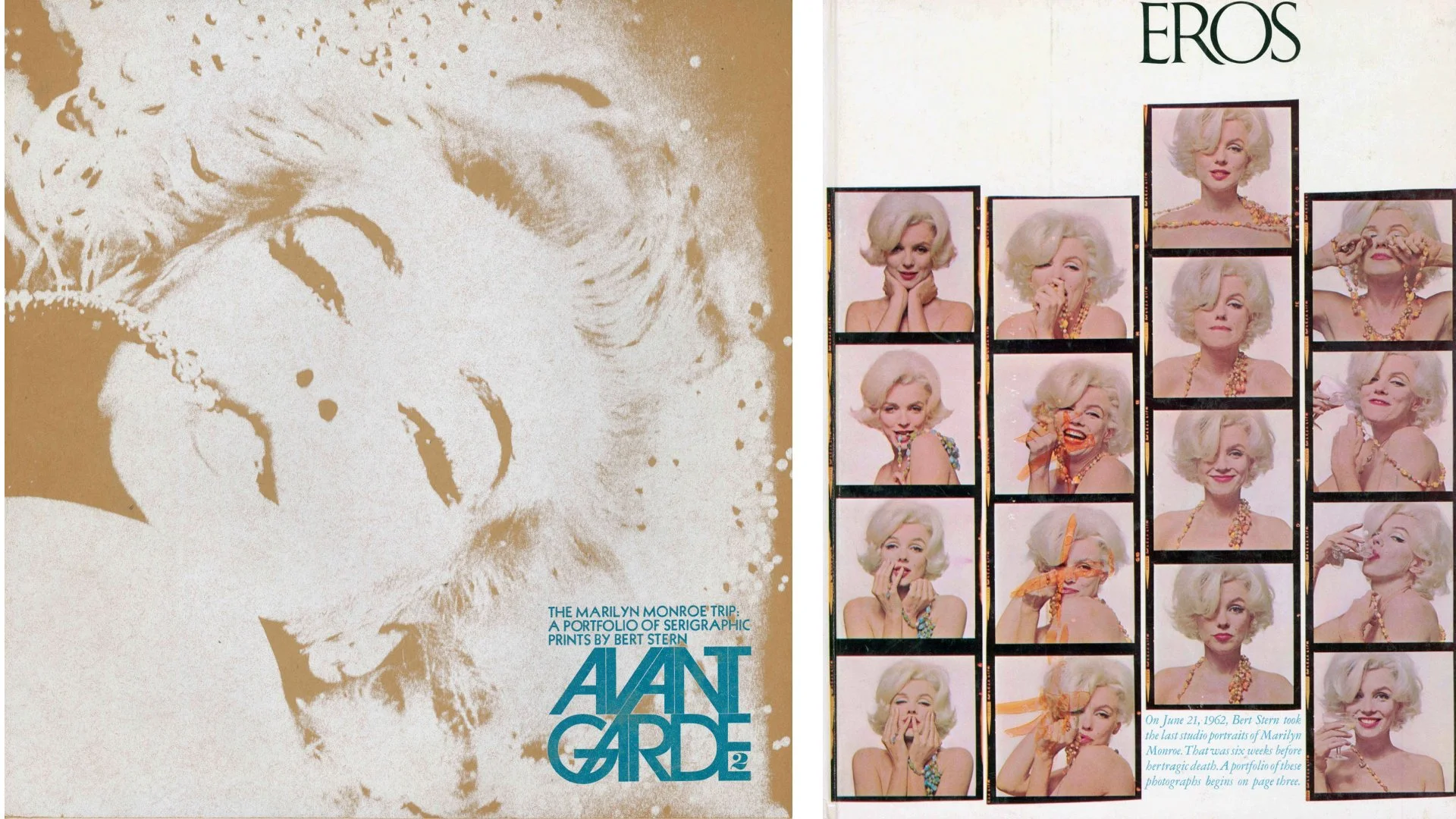
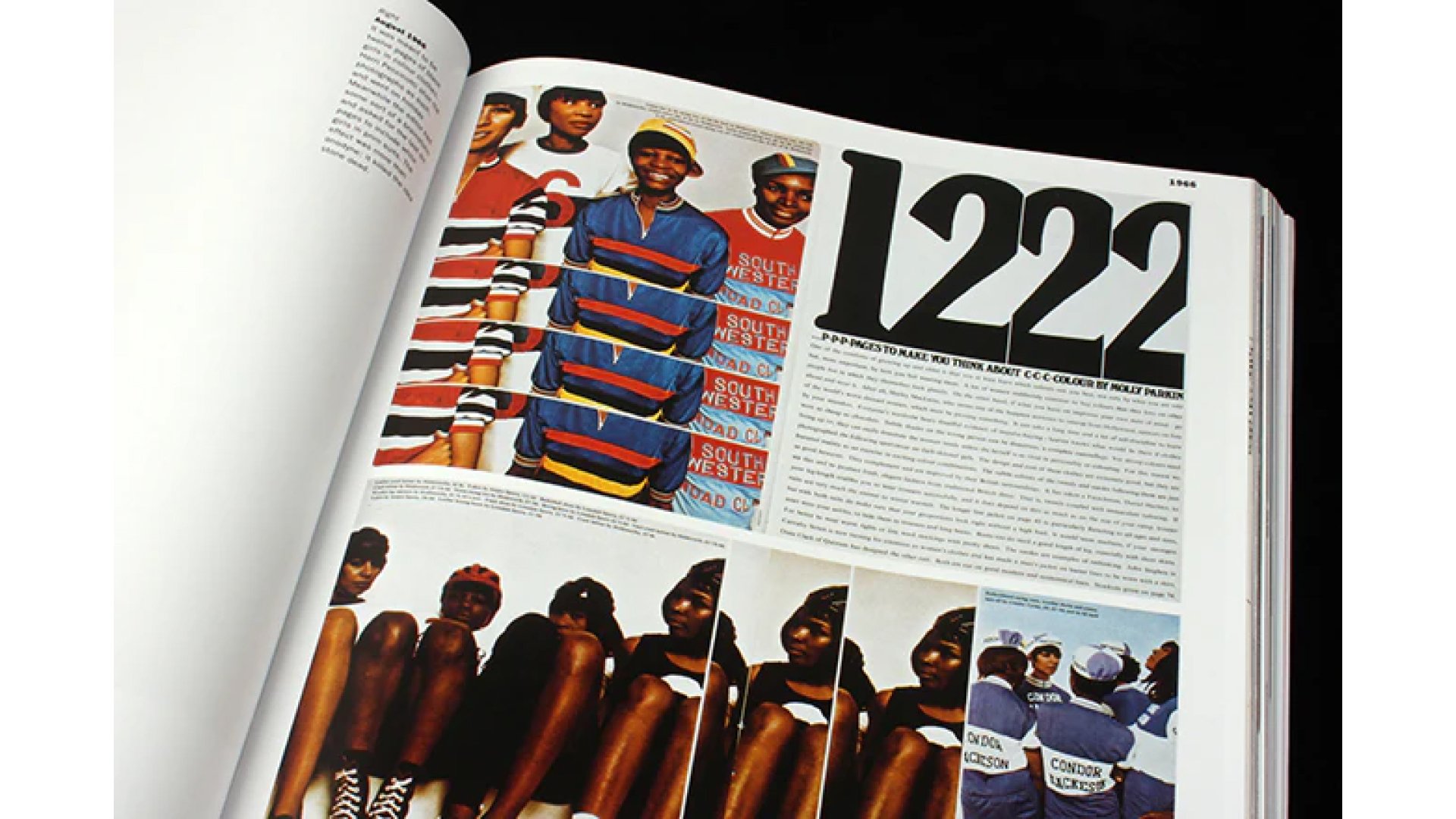
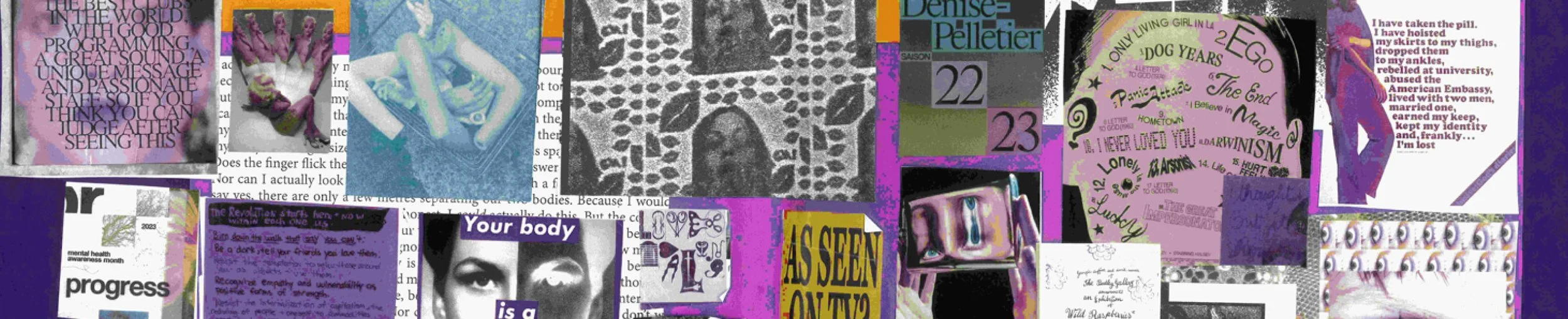
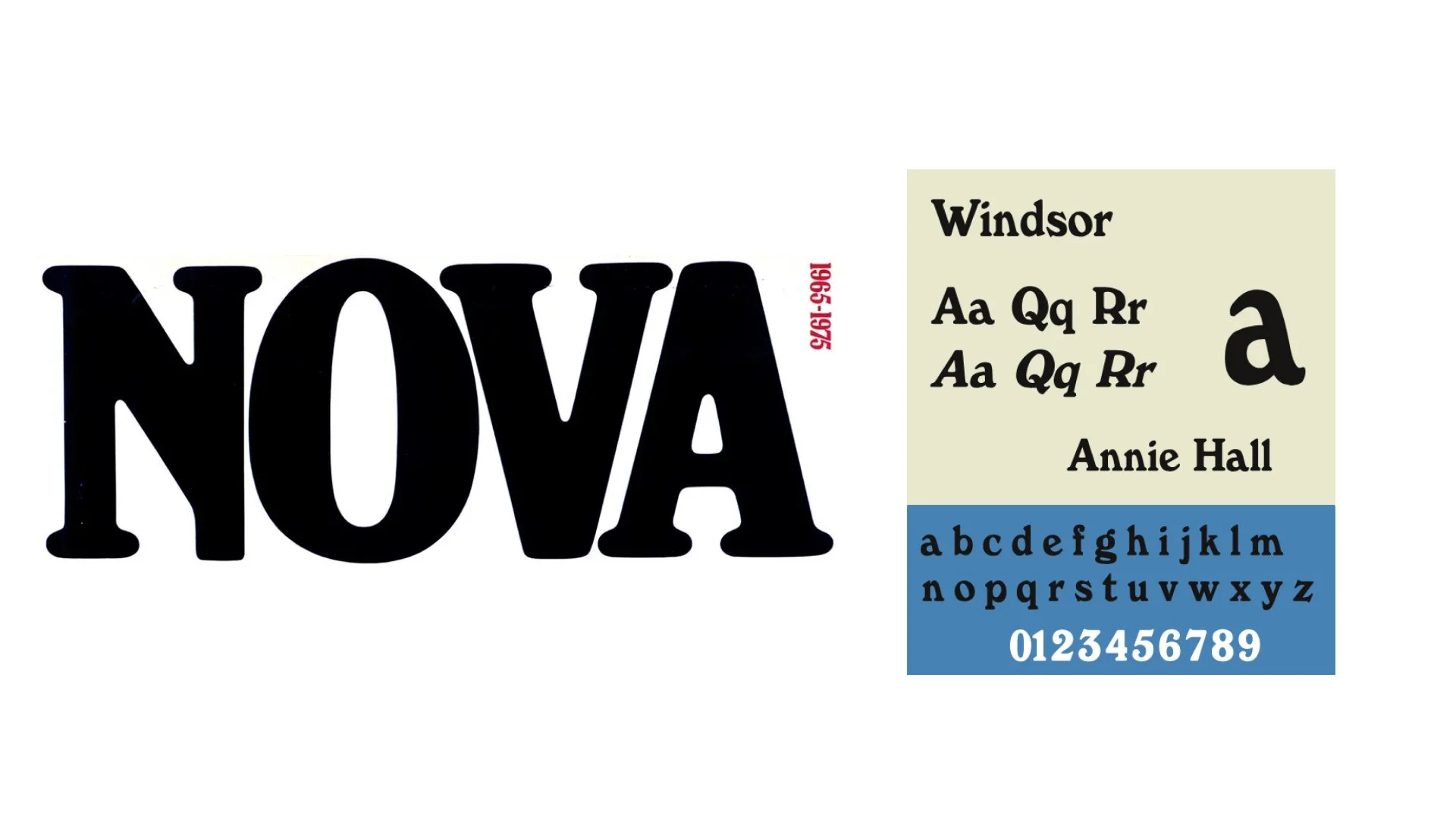
The late 60s were a golden age for alternative press and activism that led with striking design and brand identity. Nova, Eros, and Avant Garde are just a few magazines from this time that inform Lava’s brand identity and publication design.


Feminist Media Activism

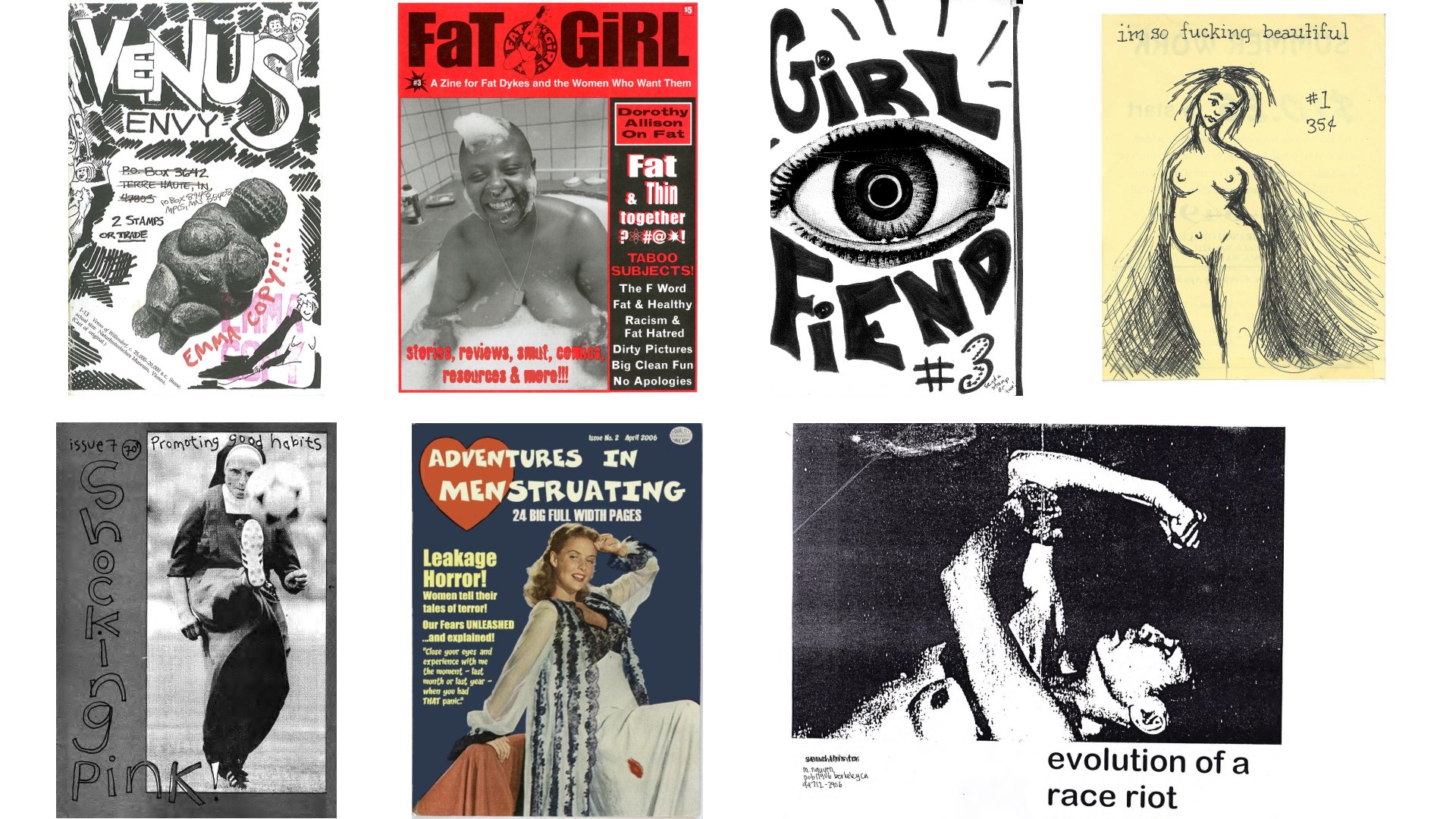
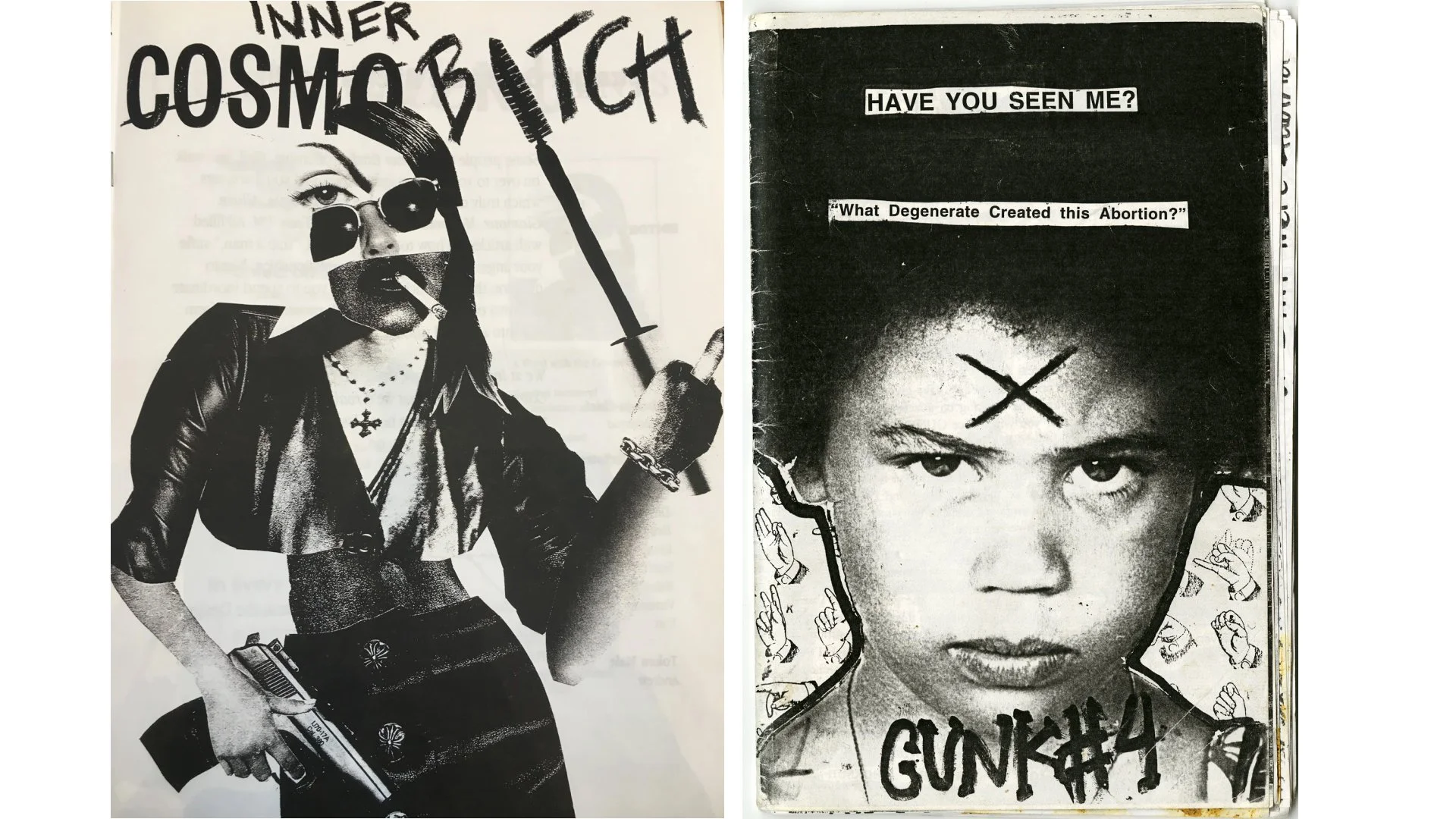
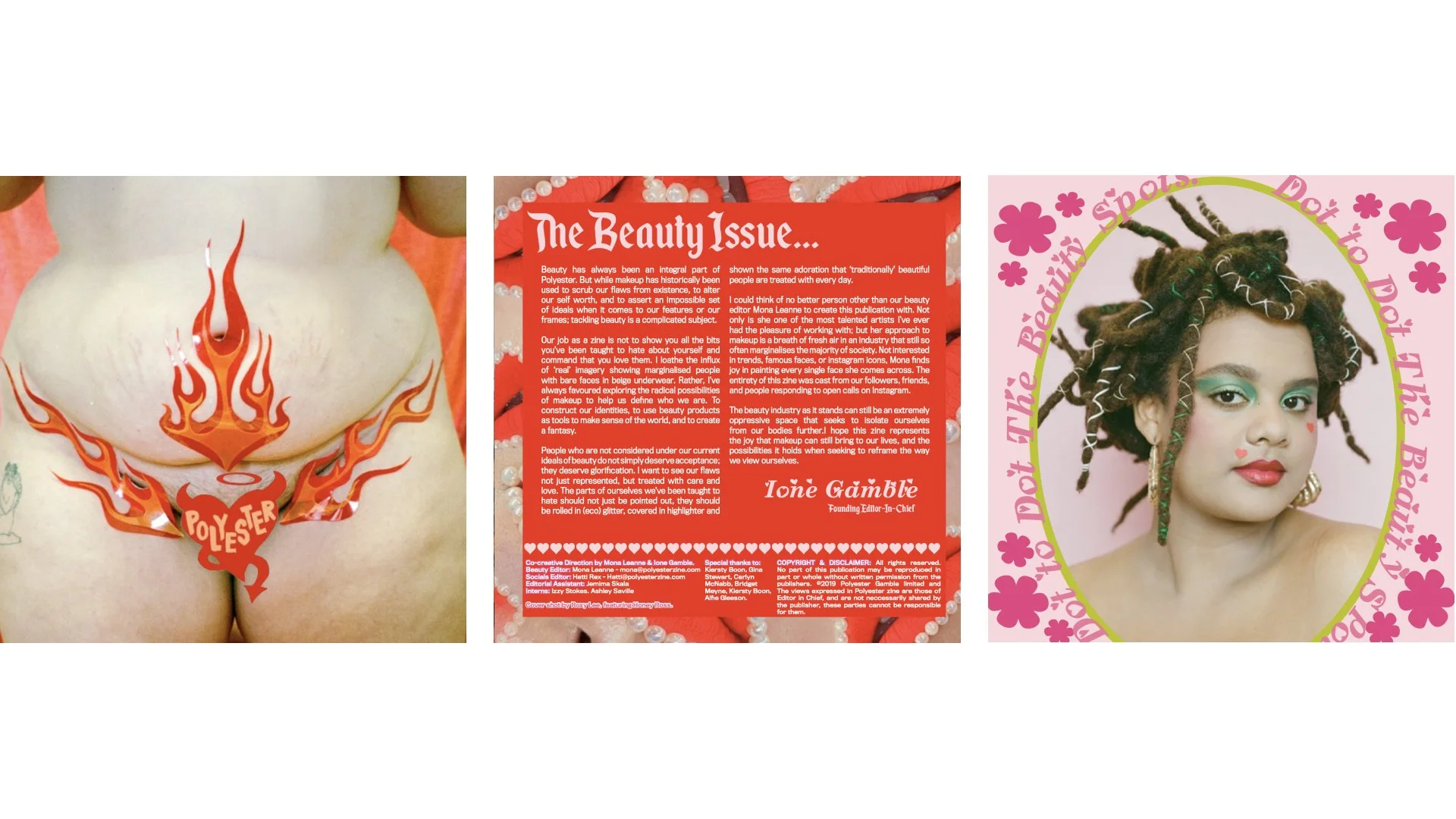
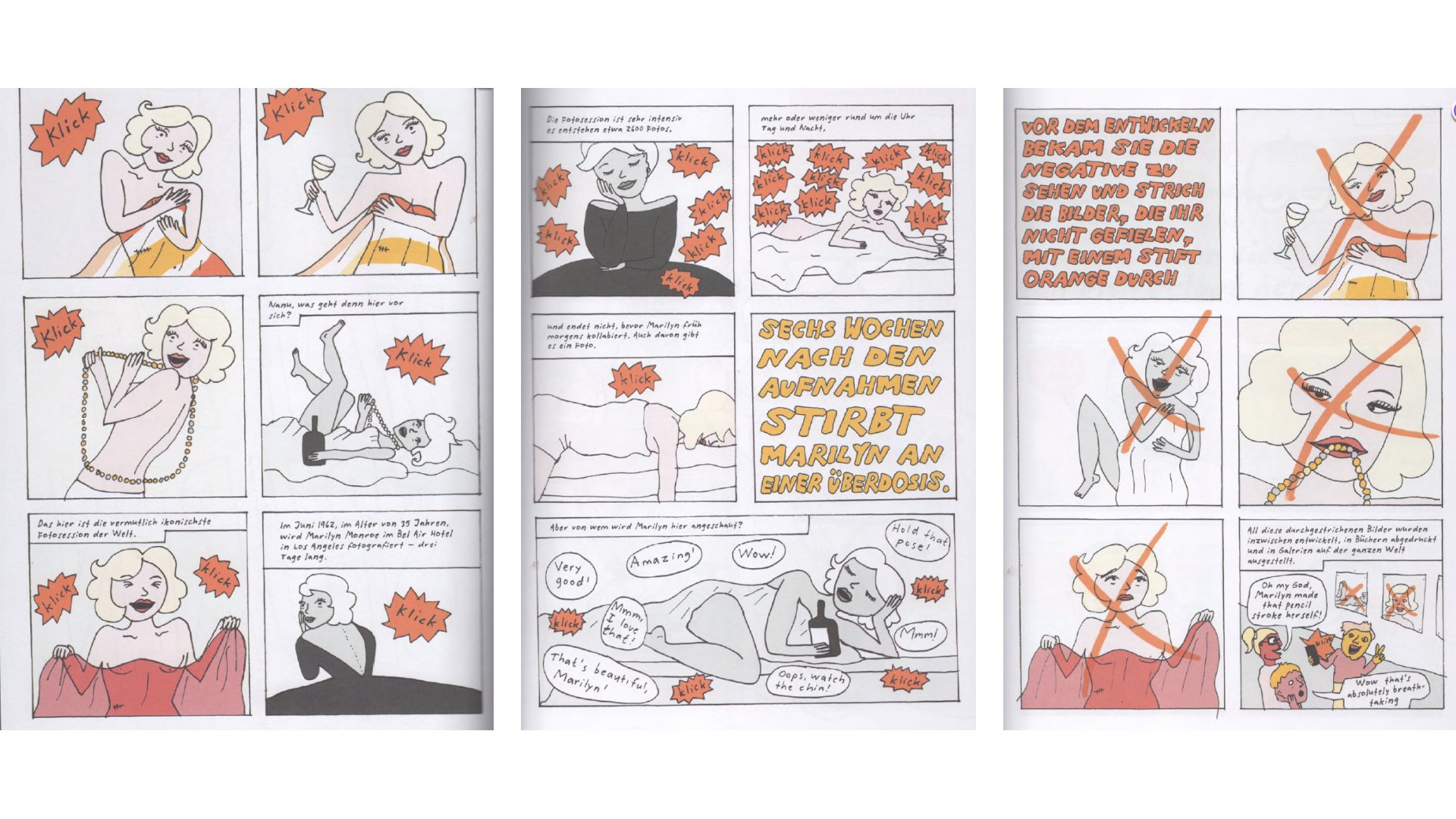
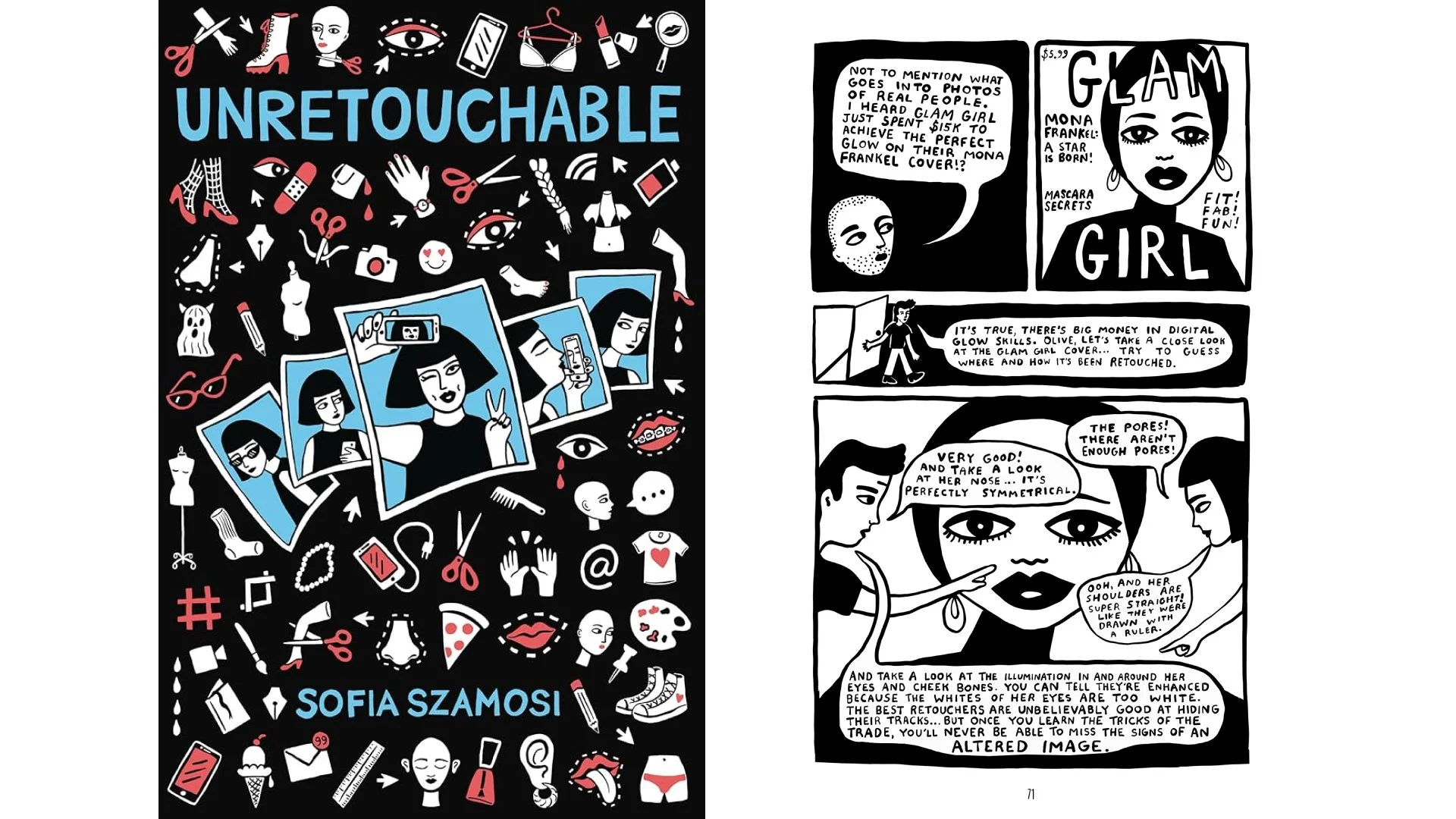
Zines from the 1990s to today, independently published magazines, and feminist graphic novels are just a few of the media that inform Lava’s approach to content, design, and format.


Feminist Art

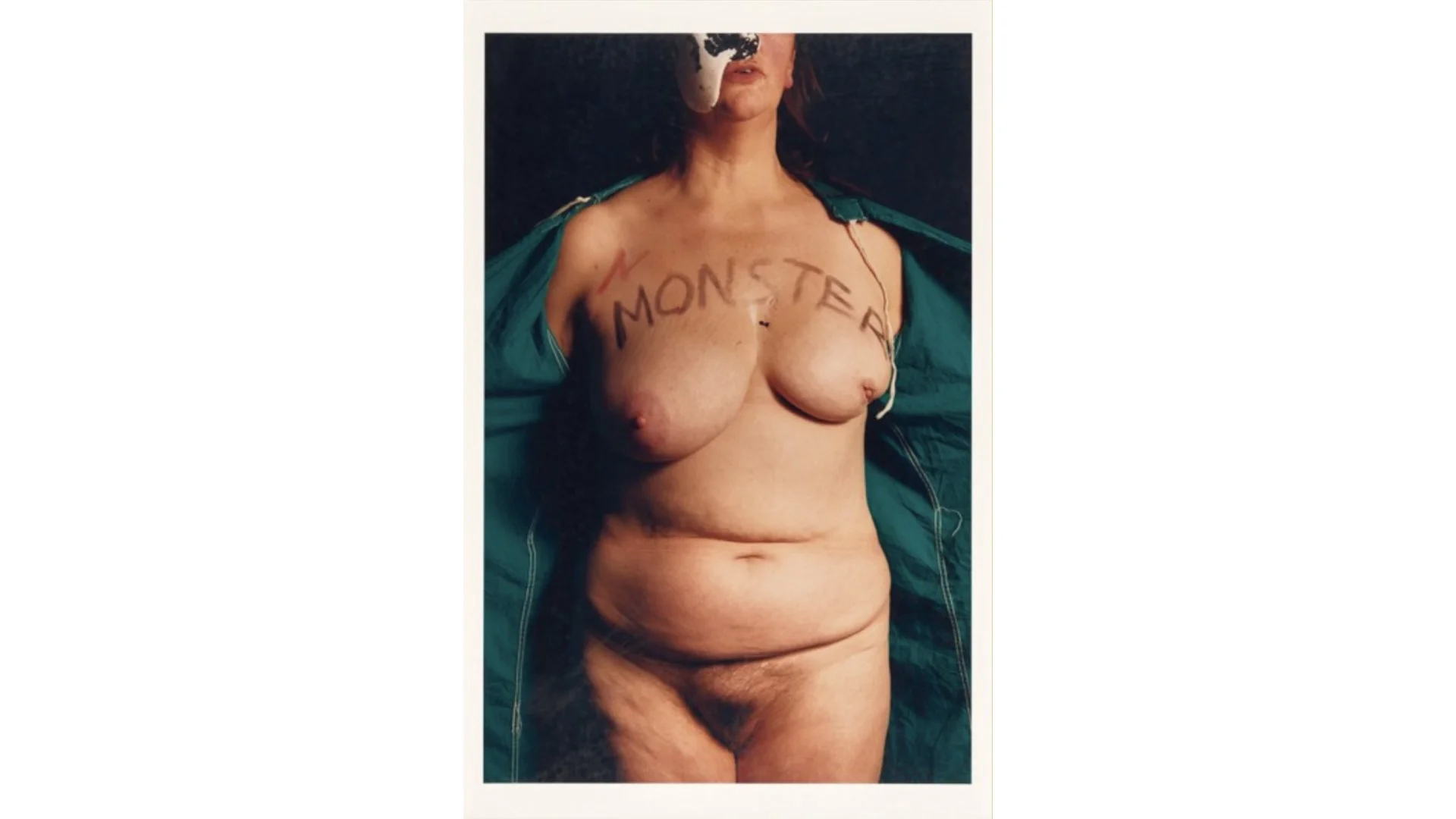
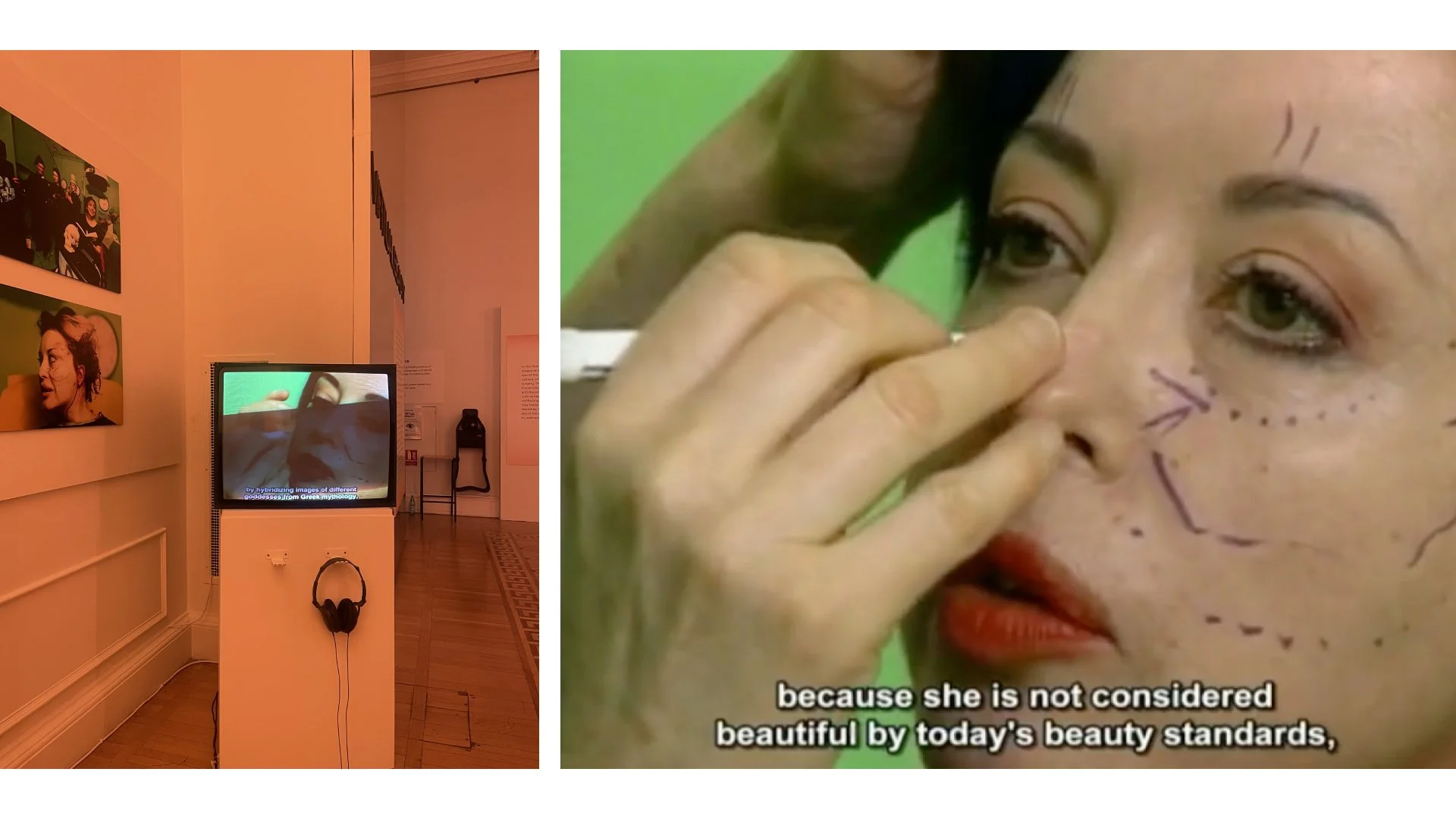
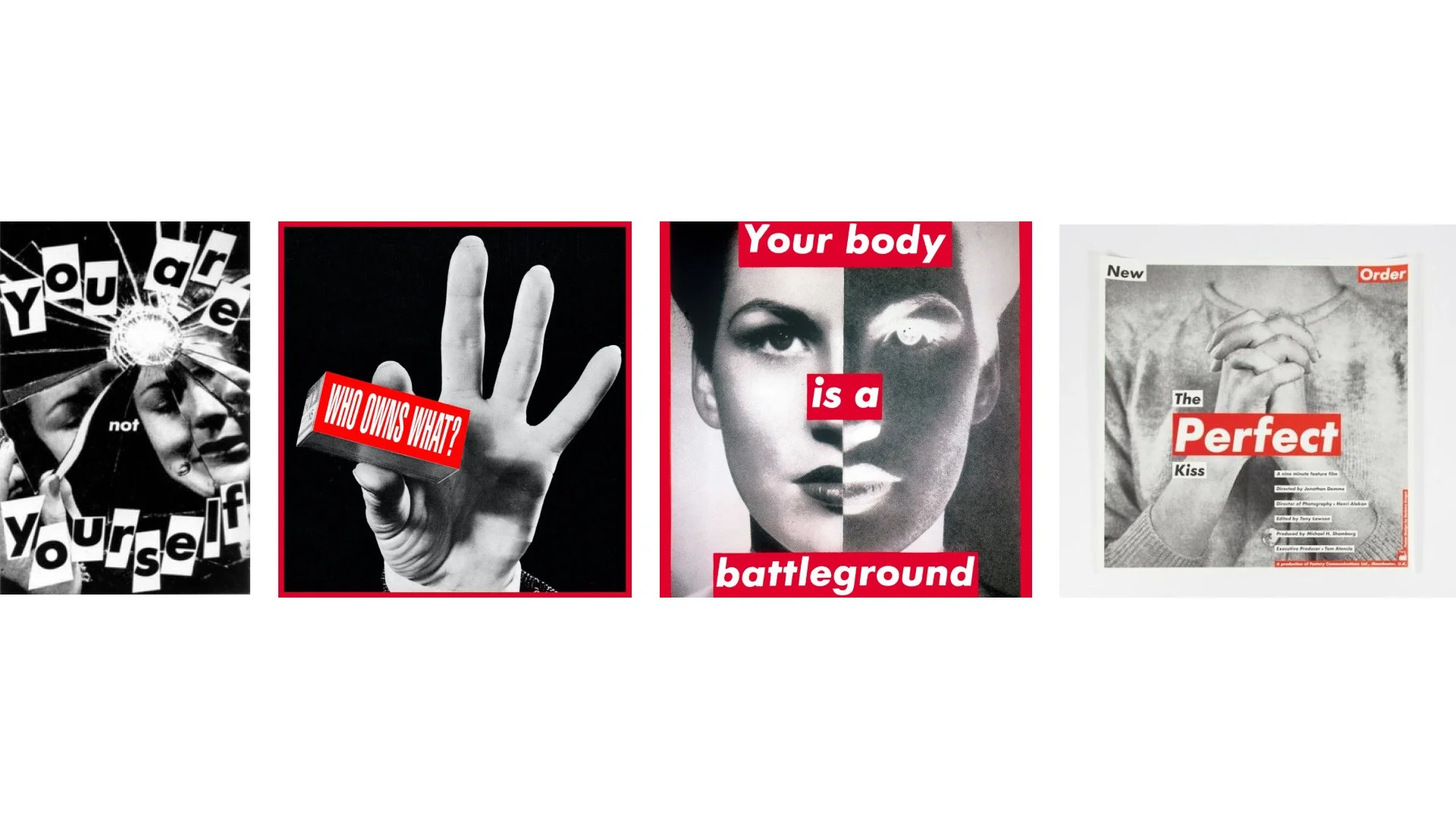
“Feminist art gives us imagery and language in which to think through the emancipations, personal and political, of the body” –Lauren Elkin Art Monsters: Unruly Bodies in Feminist Art.

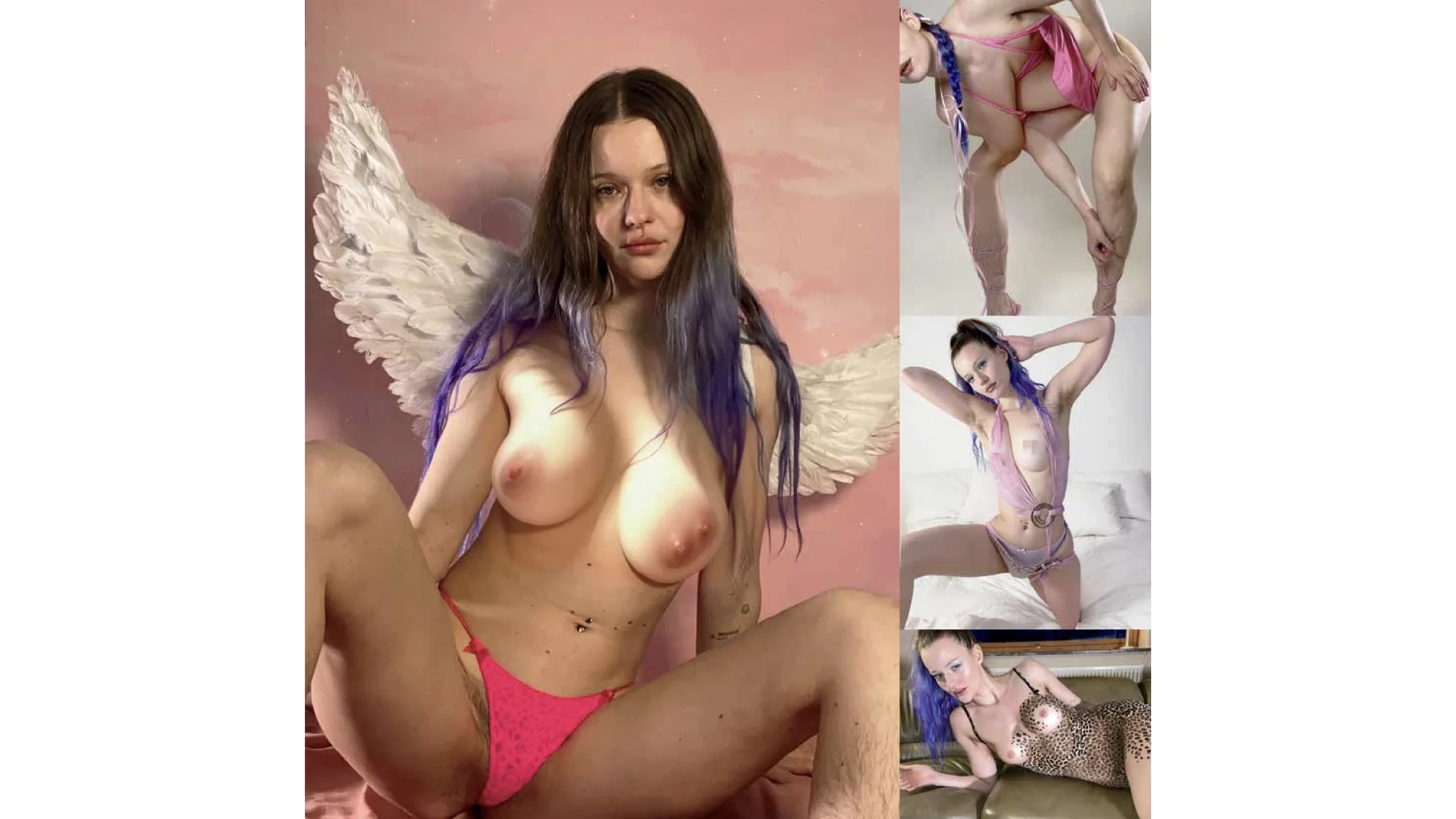
Understanding imagery as a feminist tool directly shaped the zine’s art direction and curation. It also promotes the representation of diverse bodies and challenges how women are viewed, an approach Lava employs.


Brand Identity Development


Naming

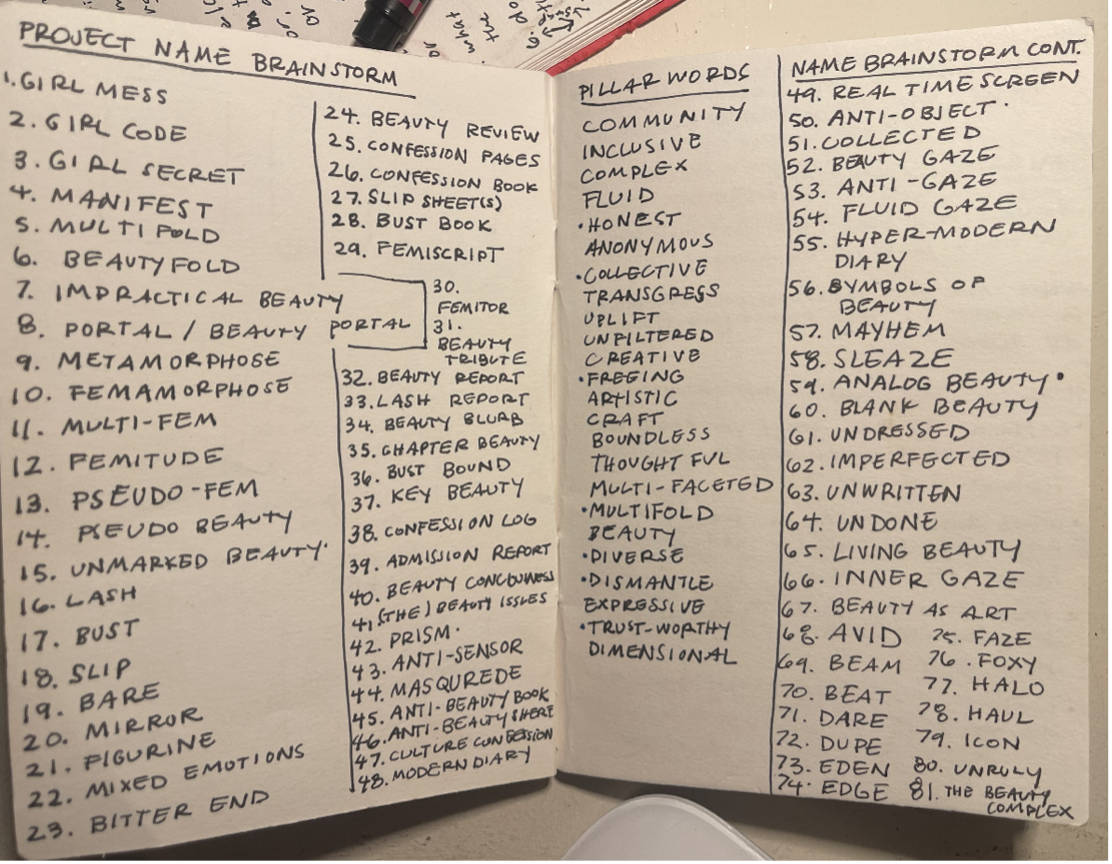
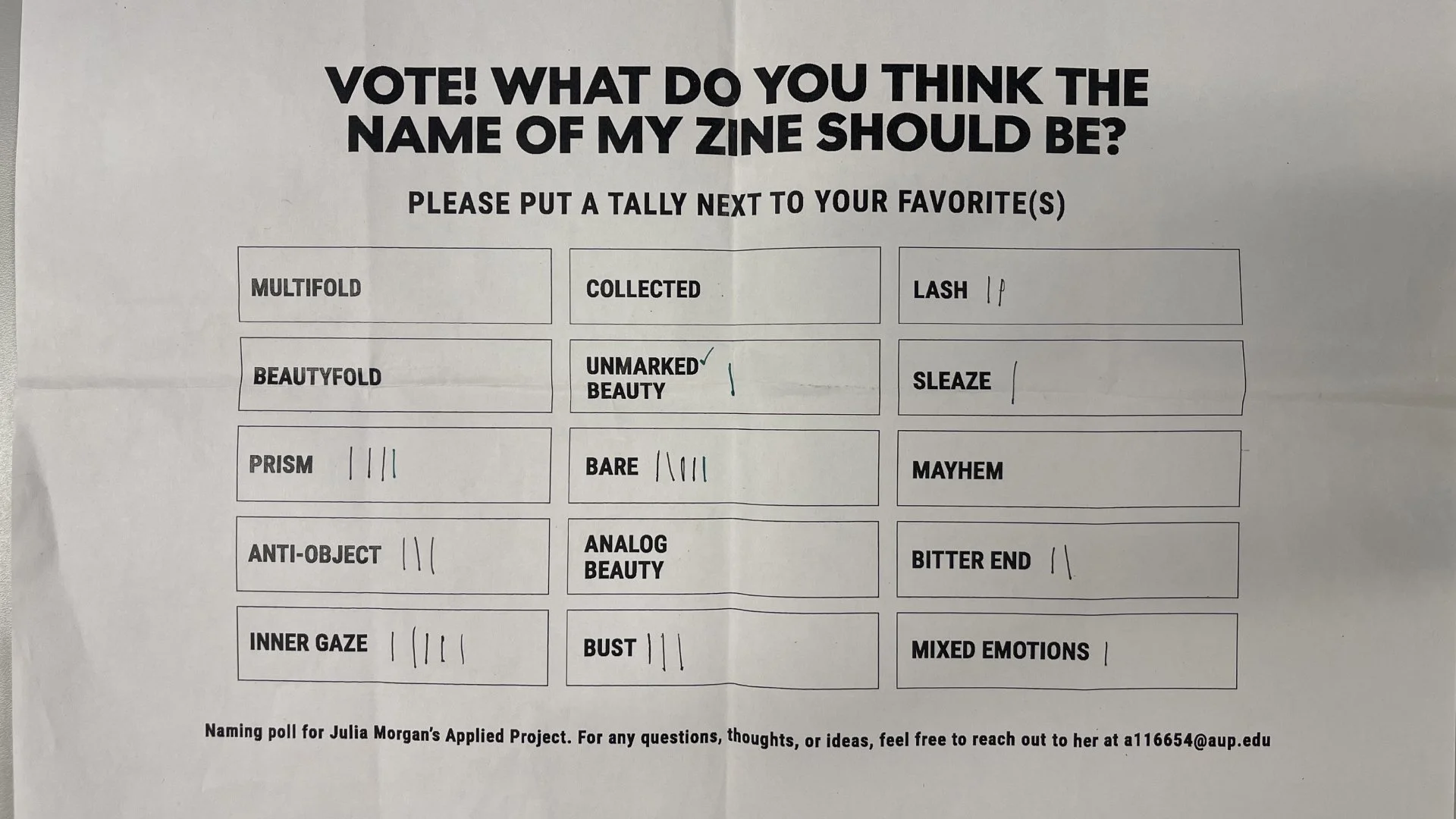
I ran a naming exercise, compiling ~60 options from research into feminist magazines (1960s–1990s) and keywords around writing, mirrors, journalism, and beauty. A shortlist was reviewed by AUP fashion students and faculty. Many names felt overly academic or literal and lacked visual or conceptual cohesion.

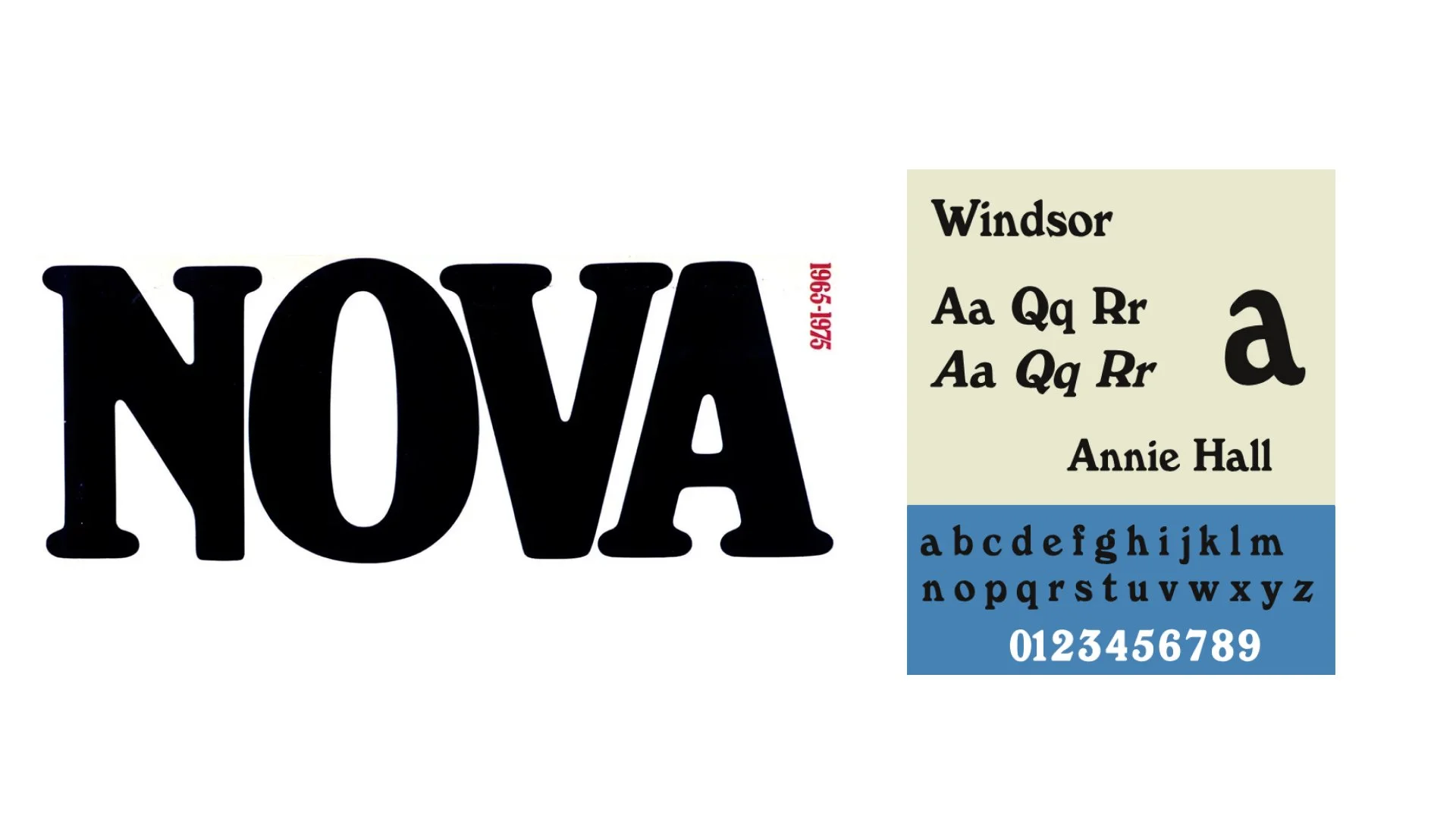
Inspired by Nova — admired for its sturdy logo, bold type, and evocative, nonliteral meaning — I explored natural phenomena. Lava emerged as an evolution of Nova: both four-letter words suggesting force, movement, and creation. Nova implies light and explosion; Lava implies heat, transformation, and emergence—apt metaphors for beauty and feminism in flux.